




Create interactive CMS Maps in Webflow
Connect any Webflow CMS collection to an interactive map. Each item becomes a location pin. Enable filtering, address search, pop-ups, and custom styling. Choose Google Maps, Mapbox, or OpenStreetMap. No code required.




CMS Map Live Demo
See what's possible with on this interactive map demo. Built 100% in Webflow CMS, running smoothly on Dynamic Map.













Dynamic Map Style Guide (Don't Delete)
Filter Reset / Empty State
Pop-Up
Tooltip (Don't Delete)
Filter Chip
Map Location Pin
Favorit Button
Set Up your interactive CMS Map in Webflow
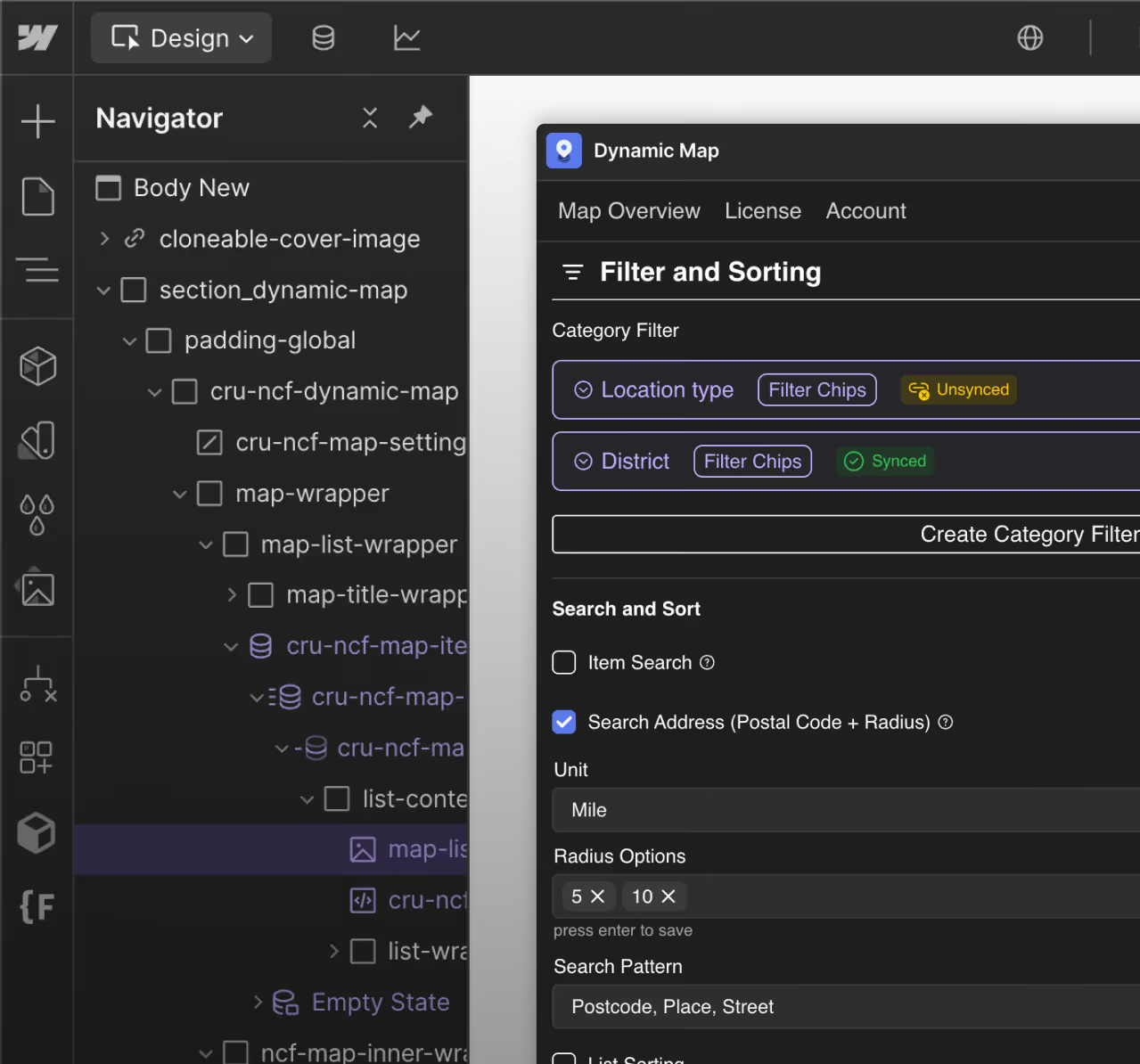
Implement an interactive map with location pins in Webflow using the Dynamic Map App from Webflow’s App Marketplace


Everything you need to build a Webflow CMS map
An overview of the most important features available to help you create an interactive map with Webflow CMS.
Your CMS items on an interactive Map
Everything in the Dynamic Map for Webflow is built CMS-first, seamlessly connecting your map to your Webflow CMS collections.


Location Pins
Use custom-designed location pins or assign unique pins for each individual collection list item to match your project’s style.


Custom Map Style including Google Maps and Mapbox
Create a map that fits your brand by customizing it with Mapbox or Google Maps. You can also choose OpenStreetMap as an open-source alternative.

Interactive Pop-Up and Tooltips
Design CMS-connected pop-ups and tooltips to display additional details about your location items directly on the map.

Unlimited Items
Perfect for large-scale projects, you can add more than 1,000 CMS items to your map seamlessly.

Map Controls
Customize map controls, such as zoom buttons, to enhance the user experience.

Filtering, Sorting and Address Search
Add robust filtering, sorting, and a live address search functionalities to your map to create a highly interactive and user-friendly experience.

Style Nativley in Webflow
Style every aspect of your map directly in Webflow Designer without needing to write any code. Tailor the map’s look to match your brand.

See all features. Or try them out.
Dynamic Map grew over the last 3 years and got better with each new user. If you want to build a reliable, feature-rich and UX-first map experience, this is the tool for you.
Dynamic Map Pricing Plans
Free to set up and use until your site is live on a custom domain. You can connect as many Webflow accounts to your No Code Flow account as you want. Each live domain requires a separate seat.
What our customers say and build
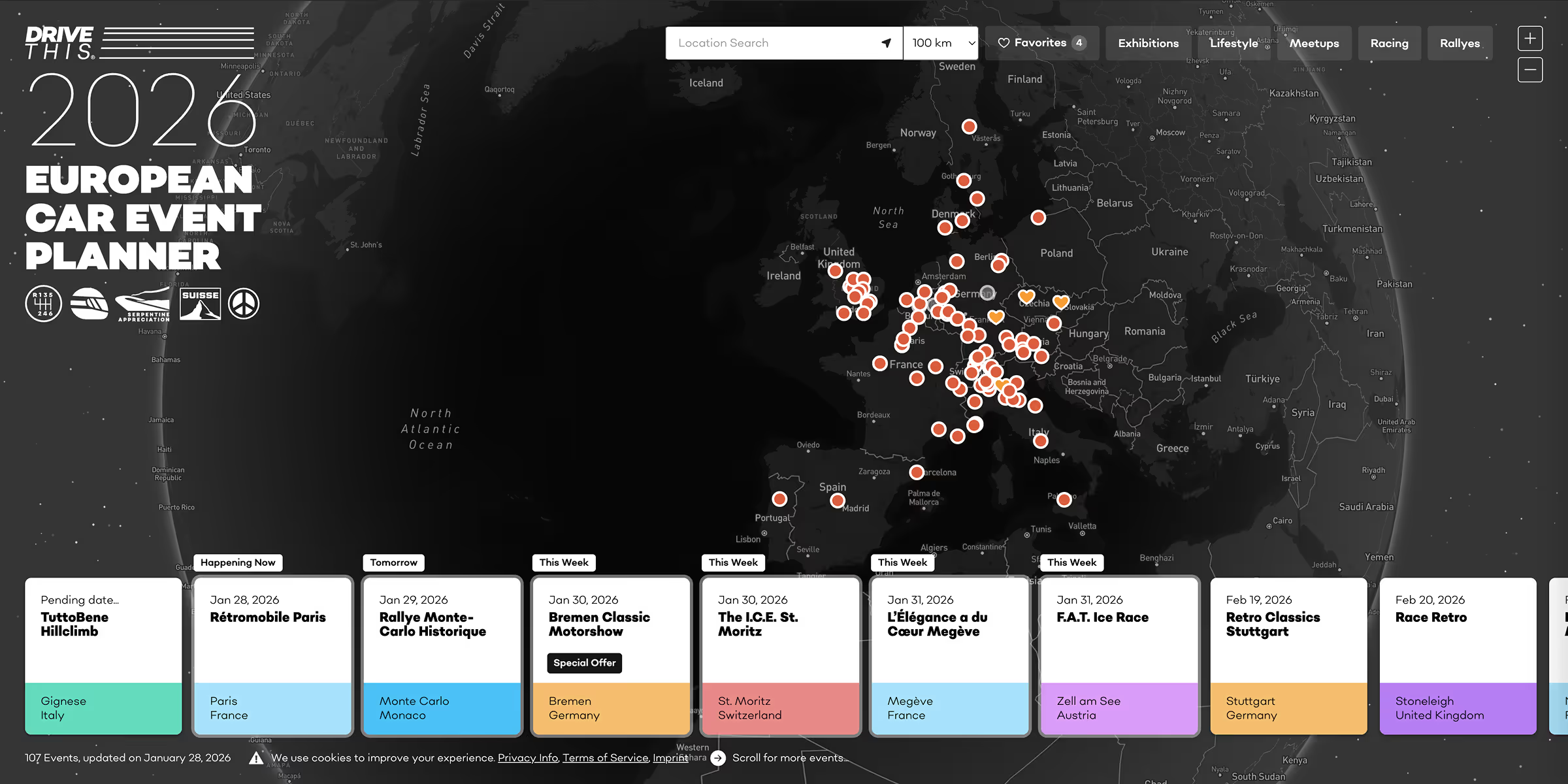
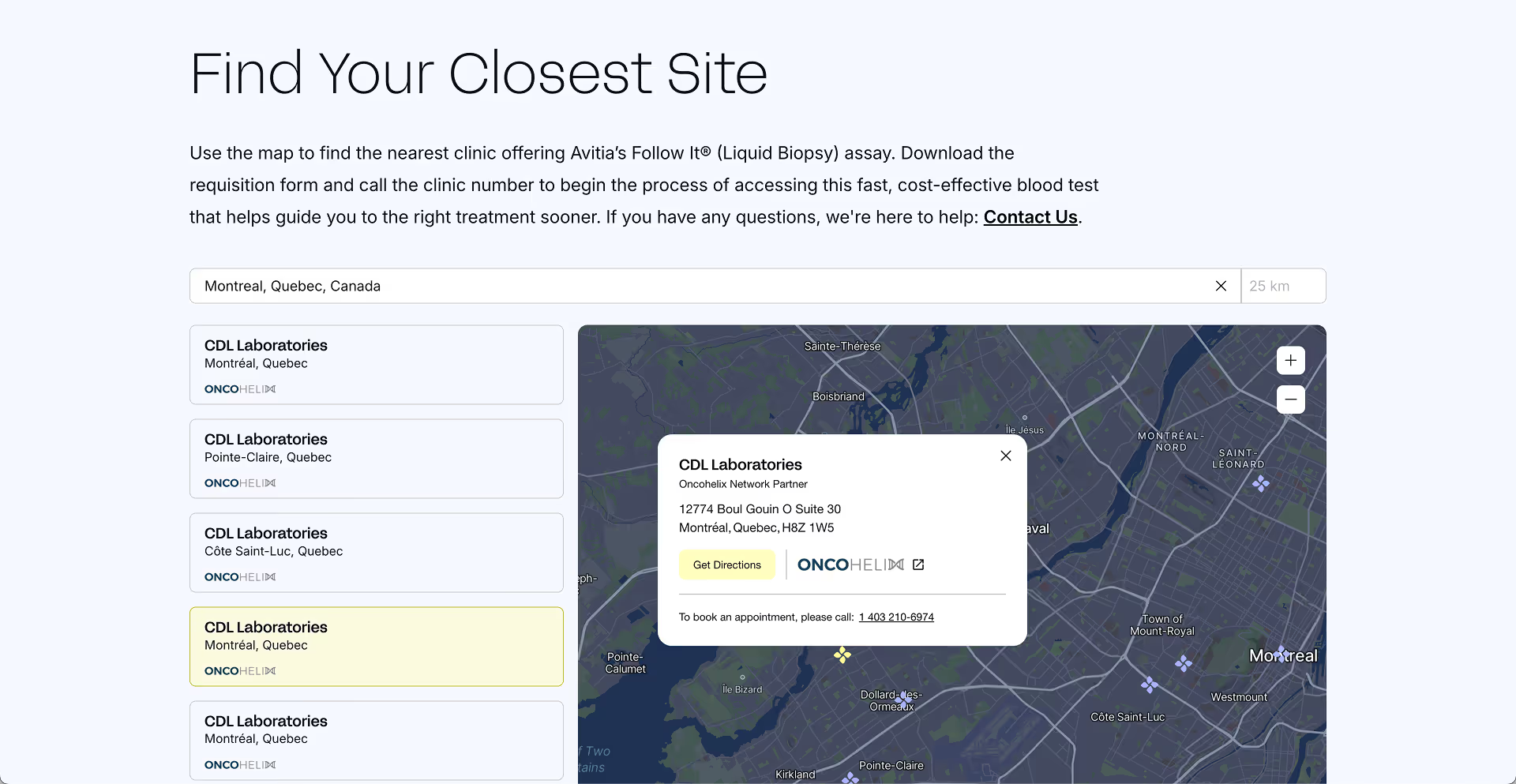
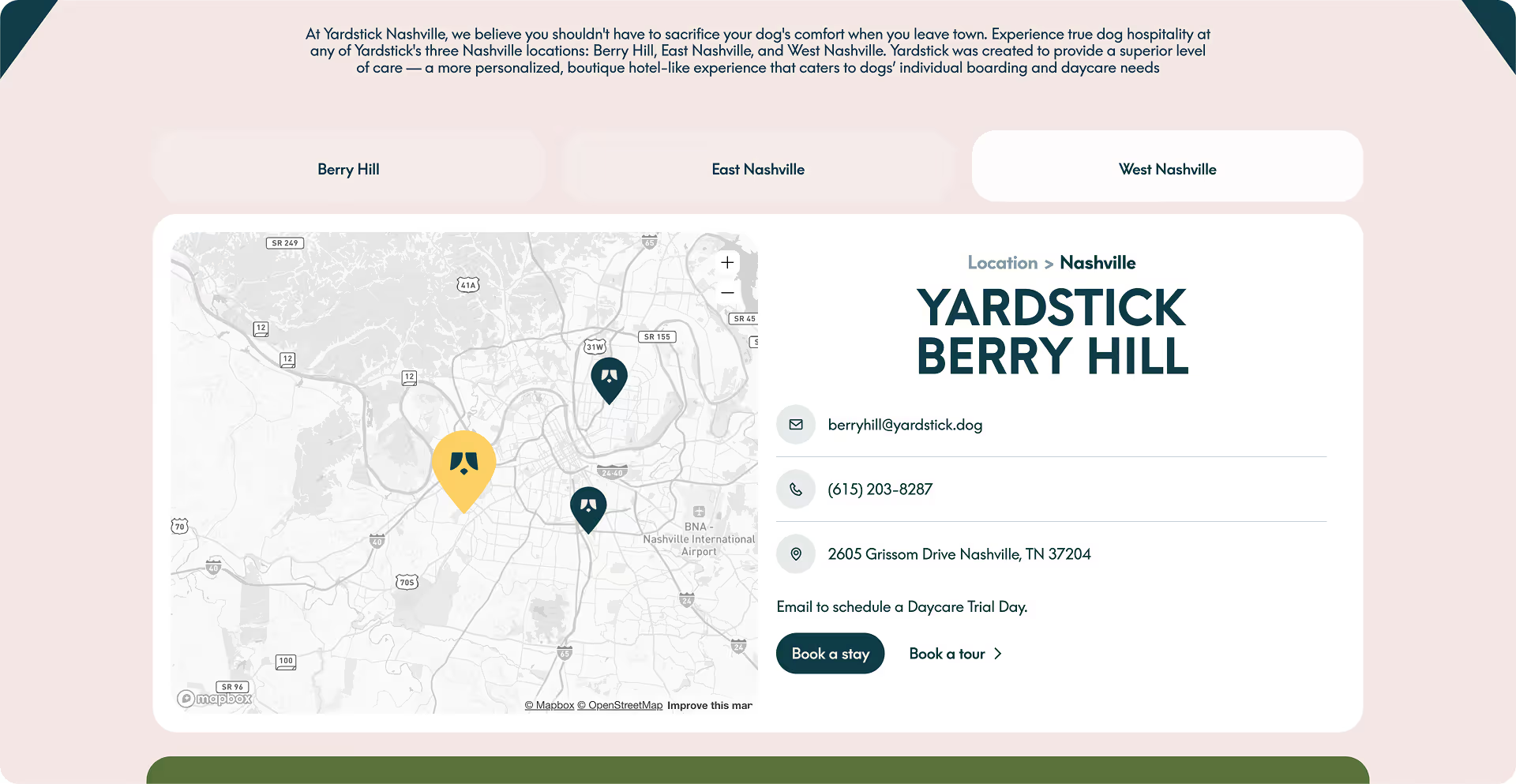
You're in good company of other happy Webflow users who built amazing maps using Dynamic Map for Webflow



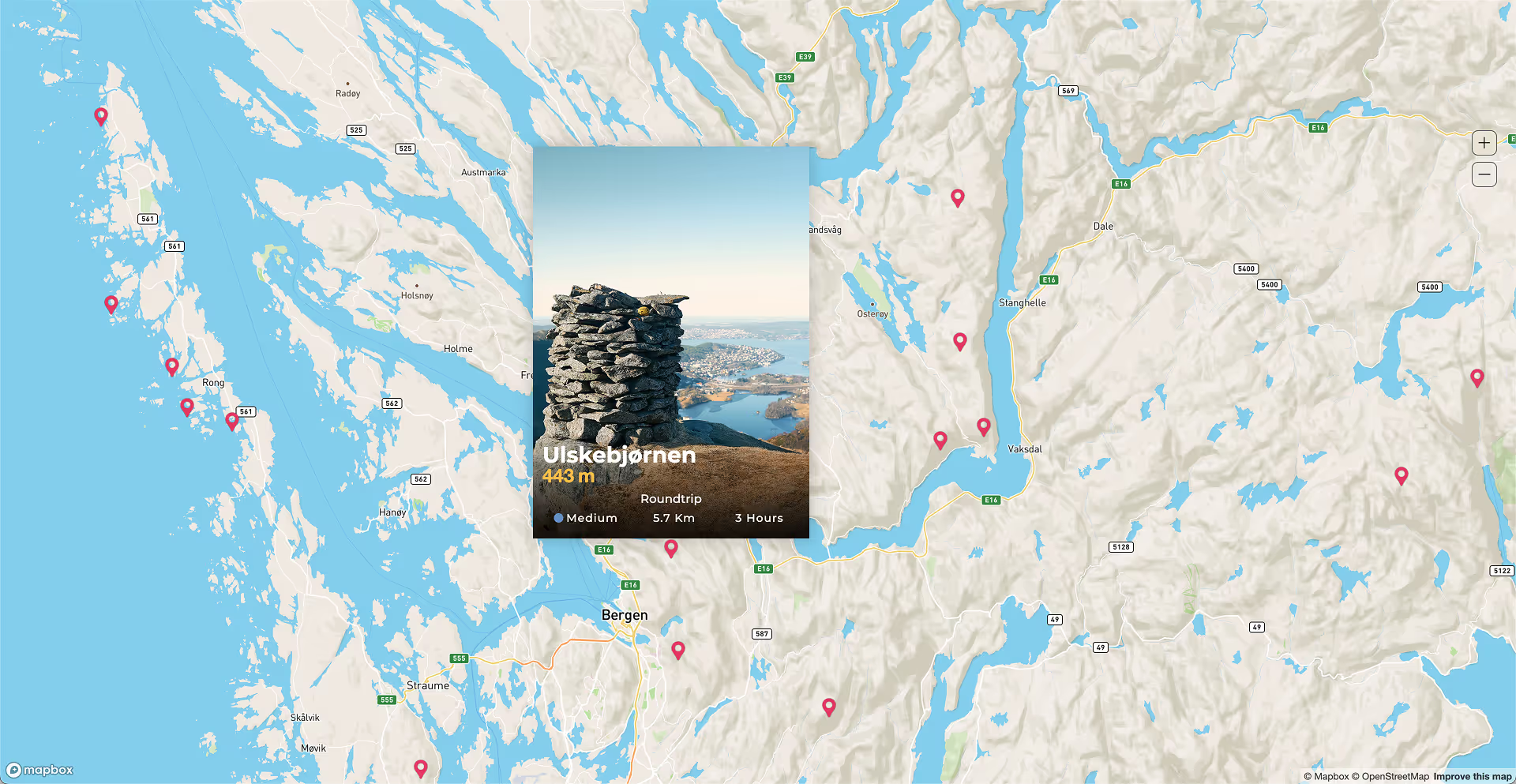

Nordic Traveler
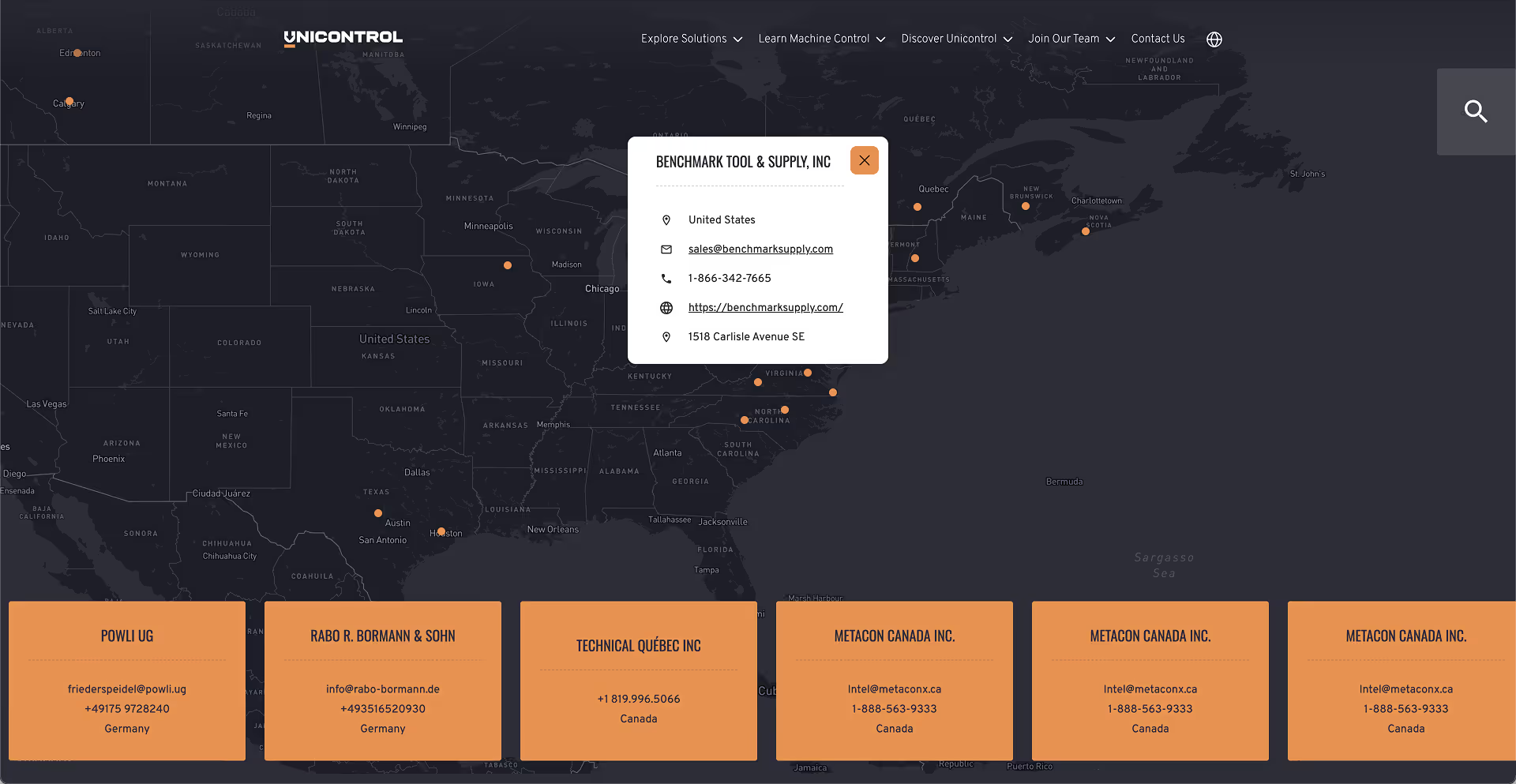

Erwin Luijendijk

Founder at Cut the Code
Frequently Asked Questions
Find answers to your questions about Dynamic Map for Webflow
What is Dynamic Map for Webflow?
Dynamic Map is a Webflow App that turns any CMS collection into a fully interactive location map without any custom code. It's a true plug-and-play solution.
Each CMS item becomes a pin / location marker on the map. You can choose between Google Maps, Mapbox, MapLibre or OpenStreetMap as your map provider, design custom map styles, add filtering and address search, and style everything directly in the Webflow Designer.
Used by 3,500+ Webflow designers and developers to build store locators, real estate listings, travel guides, dealer finders, and more.
How do I add an interactive map to a Webflow CMS collection list?
Add Dynamic Map App from the Webflow Marketplace, connect it to your CMS collection, and your items automatically appear as location pins on the map. No JavaScript or custom code needed, and everything is set up through the Dynamic Map App and styled directly in the Webflow Designer.
Can I build a store locator in Webflow with multiple locations?
Yes. Add your store locations as CMS items, connect Dynamic Map, and your visitors get a fully interactive store locator, with address search, category filters, and pop-ups showing store details. No coding required. Clone our free Store Locator template to get started in minutes.
What types of maps can I build with Dynamic Map?
Any map where locations come from a Webflow CMS collection. The most common use cases: store and dealer locators, real estate property listings, travel guides, event maps, healthcare facility finders, job location maps, and partner directories. If your data has an address or coordinates field in Webflow CMS, Dynamic Map can put it on a map.
Is there a limit on how many CMS items or map pins I can add?
No hard limit. Dynamic Map handles 1,000+ CMS items per project without performance issues, which covers most store locators, real estate platforms, event maps, and travel guides. For very large datasets or high-traffic projects, we do offer Enterprise features that include optimized performance settings designed for maps with 1M+ monthly visitors.
Do I need to know how to code to use Dynamic Map?
No. Dynamic Map is built specifically for Webflow users who want to add interactive CMS-driven maps without writing custom code. Setup is done through the Webflow interface and the Dynamic Map app panel. A Quick Start Guide and full documentation are available to walk you through the setup from scratch.
Can I try out Dynamic Map for free?
Yes, you can implement Dynamic Map and all other No Code Flow components for free on any number of websites, as long as they’re hosted on a Webflow.io staging domain.
You can learn which plans are available once you go live on the pricing page.
How is Dynamic Map different from Webflow's built-in Google Maps element?
Both solutions are built natively for Webflow, but serve different purposes:
Webflow's native Google Maps element embeds a static map with a single pinned address: this works alright for a simple "Contact Us" page.
Dynamic Map, on the other hand, renders your entire CMS collection as individual pins with real-time filtering, address search, custom pin styles, and interactive pop-ups.
It’s the difference between a static embed and a fully immersive map experience. Learn whether to use Dynamic Map or Webflow's native Google Maps element in our Implementation Guide
When should I build a Webflow map myself, with AI, or use Dynamic Map?
It depends on what you need. For a simple one-off map with a single pinned address, Webflow's built-in Google Maps element is enough – no app required.
For a custom-coded solution (whether you write it yourself or generate it with AI), you can get something running. To build a map in Webflow with the set of features Dynamic Map offers can take up to multiple days though. And even it's not guranteed to run smoothly.
Additionally, you take on all the maintenance: debugging in case something randomly, handling edge cases, fixing iOS / Safari updates, and keeping the code working when Webflow ships updates. Most projects underestimate this. What looks like a one-day build often turns into weeks of ongoing fixes.
Dynamic Map covers the cases where you need CMS-driven pins, real-time filtering, address search, custom pop-ups, and reliability across Webflow updates. It's a maintained Webflow App with continuous updates, real support, and tested compatibility – so your map keeps working without your involvement. For most production Webflow projects, the time saved in the first week pays for the entire year of use. And the reliability of Dynamic Map will lead to client satisfaction compared to a custom build that breaks easily.
Can I filter map pins by category, tag, or any other CMS field?
Yes. Dynamic Map connects directly to your CMS fields. Any field in your collection (category, type, tag, neighborhood, price range) can become a filter. Visitors can combine multiple filters to narrow down the pins they see in real time, without any custom code.
What's the difference between Google Maps and Mapbox in Dynamic Map?
Both are fully supported. Google Maps gives visitors the familiar interface they already know. Mapbox gives you more control over styling like custom tile layers, unique color schemes, and a more distinctive visual look. OpenStreetMap and MapLibre are also available as free and open-source options. You can switch between providers at any time in the Dynamic Map App settings.
Can I show a pop-up with CMS content when a map pin is clicked?
Yes. Dynamic Map supports both pop-ups (on click) and tooltips (on hover). You design the pop-up layout directly in Webflow using standard CMS-connected elements like images, text, links, tags and Dynamic Map displays it when a visitor clicks the pin. No custom code needed.

No Custom Code
All Webflow components work without any coding knowledge. Just use Webflow like you're used to.

Webflow CMS First
All components are built as Webflow Apps for Webflow-CMS and can be styled right within the Webflow Designer.

Professional Support
Check the Help Center, easy to use docs or request free E-Mail support in case you get lost.

Ongoing Updates
Constant maintenance, updates and enhanced features as well as new Webflow components.
Become an expert in building with Dynamic Map for Webflow
Feature Deep Dive Walkthrough
Dynamic Map Guide: Use Google Maps in Webflow

Dynamic Map Guide: Integrate Mapbox with Webflow

Developer Documentation
Learn the details about how to use Dynamic Map for Webflow in the Developer Docs
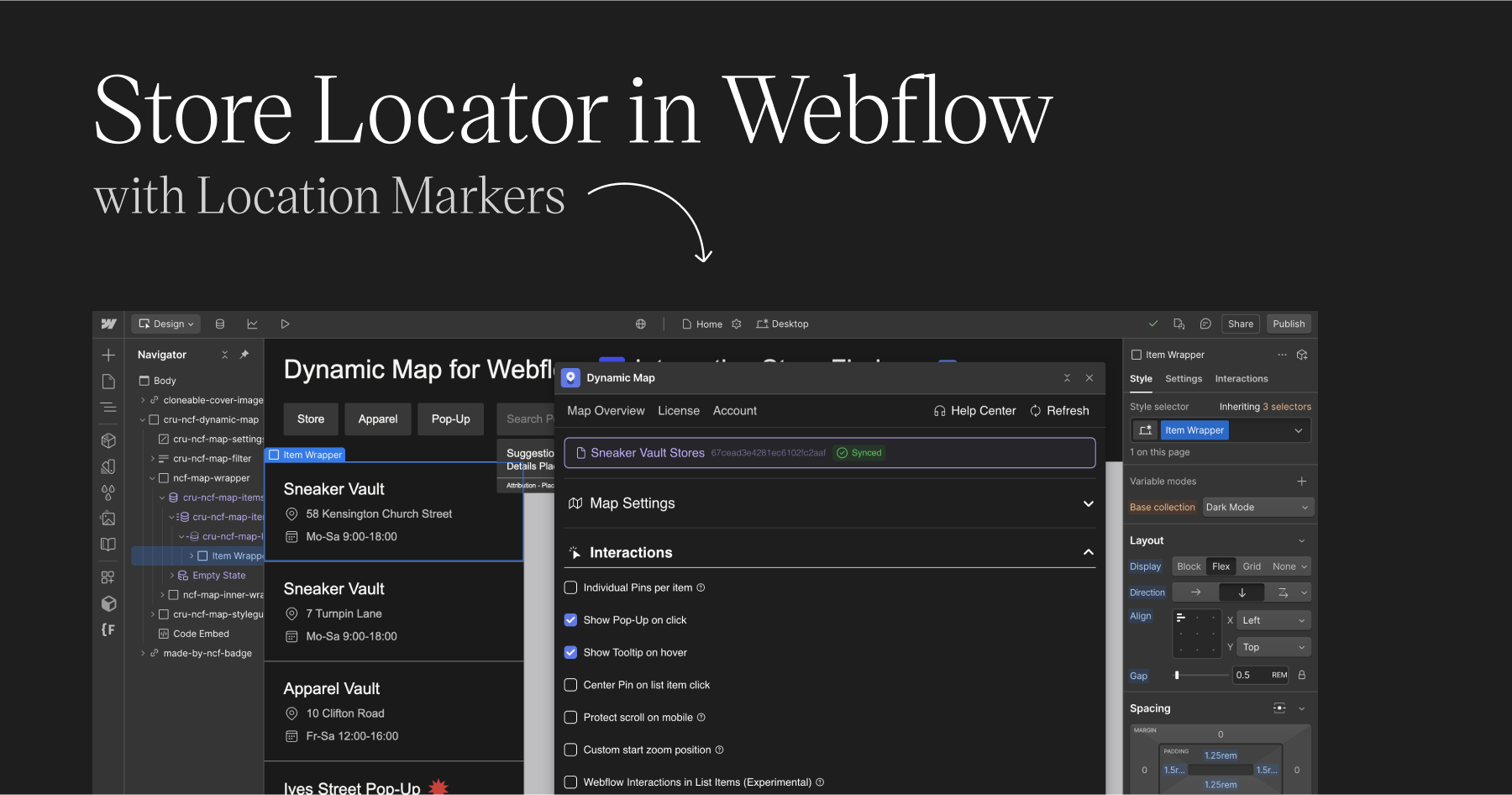
Dynamic Map Guide: Build a Store Locator in Webflow
.webp)
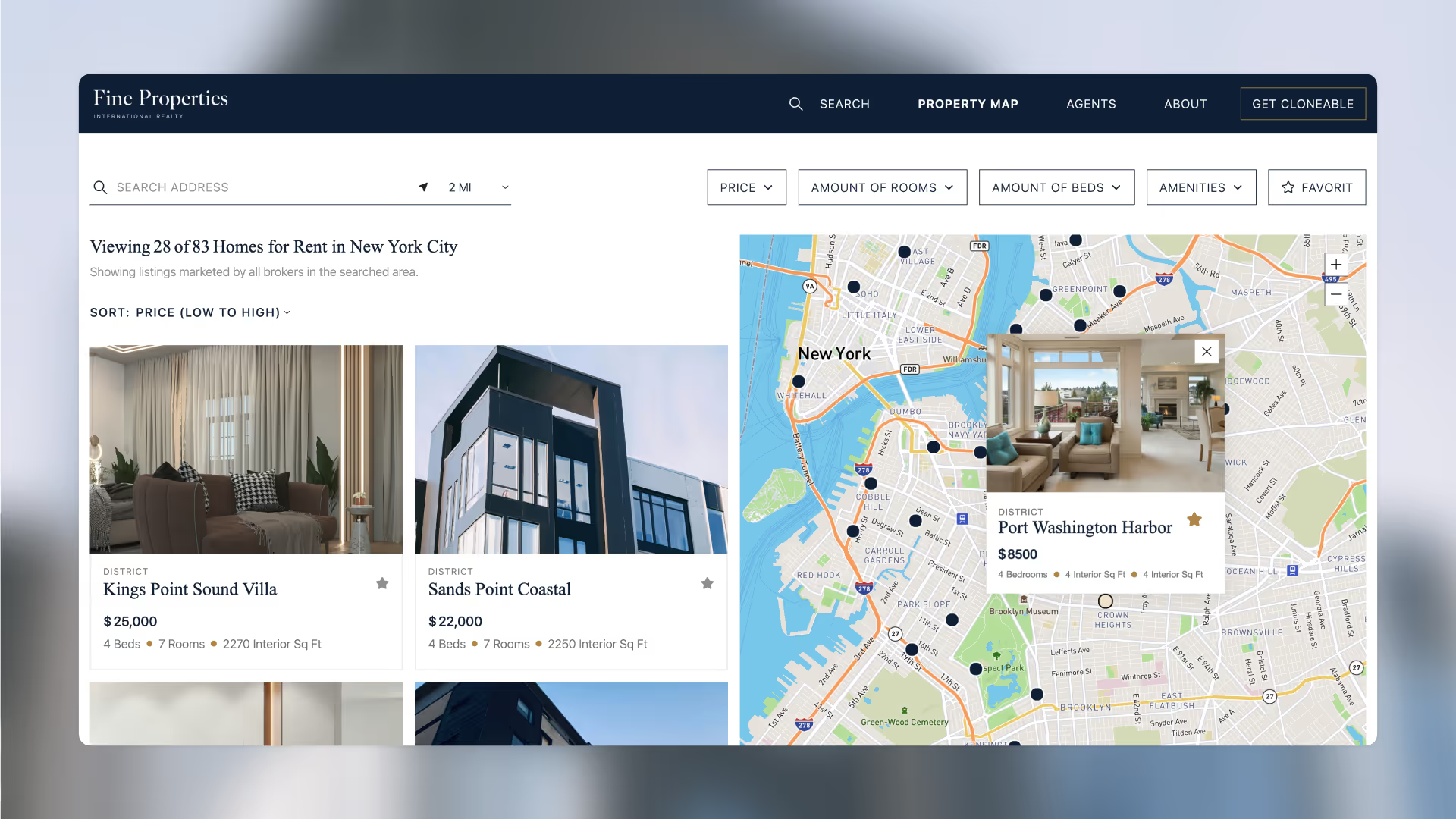
Property Listing Webflow Template

Real Estate Webflow Template

Store Locator Webflow Template

Travel Guide Webflow Template

Walkthrough Video
Learn how to build interactive Maps in Webflow with the Youtube Walkthrough

Additional Resources
Free cloneable templates and other useful resource for Dynamic Map